INCOTERMS 2020 Explained for Bulk Shipments
FOB, CIF, DDP — knowing which Incoterm to quote can save thousands on a single container. A plain-English guide to choosing the right terms for your trade.

An Incoterm is a three-letter shortcut that tells two parties exactly who pays for what, who insures the goods, and who is responsible if something goes wrong in transit. The ICC publishes the official list — the current version is Incoterms 2020.
Pick the wrong one and you'll either eat unexpected costs or expose yourself to losses the buyer was supposed to cover. Here's what actually matters for bulk container trade.
The 11 Incoterms, grouped
Incoterms 2020 has 11 rules split into two families:
- Any mode of transport — EXW, FCA, CPT, CIP, DAP, DPU, DDP
- Sea and inland waterway only — FAS, FOB, CFR, CIF
The four you'll quote 90% of the time
Most bulk container trade comes down to four Incoterms. Know them cold.
EXW — Ex Works
Buyer takes the goods from your warehouse door. You do nothing beyond loading (and sometimes not even that). Cheapest for you, riskiest for the buyer. First-time buyers often ask for EXW because it sounds simple — it isn't. Avoid if you can.
FOB — Free On Board
You deliver the goods cleared for export, loaded onto the ship at the port of shipment. Risk transfers the moment the cargo is on board. This is the default for most Indian commodity exports out of Nhava Sheva or Mundra.
Good choice when: the buyer has a strong local freight forwarder at destination and wants control of ocean freight.
CIF — Cost, Insurance and Freight
You pay for goods, cargo insurance (minimum cover), and freight to the destination port. Risk still transfers when the goods are loaded on the vessel — but you foot the shipping bill. A favourite for buyers in distant markets who don't want to negotiate freight.
Watch the margin: ocean freight can spike 30%+ in days (Red Sea crisis anyone?). Only quote CIF when you can lock freight in the same day.
DDP — Delivered Duty Paid
You handle everything: export clearance, ocean freight, destination port fees, import customs, duties, local delivery. The buyer opens the door and the pallets are inside.
Maximum value to the buyer, maximum complexity for you. We only quote DDP when we have a proven customs broker at destination and full visibility on import duties. Never quote DDP for the USA or EU without doing your homework on brokerage.
The three common mistakes
- Quoting FOB but forgetting terminal handling charges at origin — they're yours, not the buyer's
- Using CFR instead of CIF and assuming the buyer insured the cargo — they often don't, then blame you when it's damaged
- DDP to a country you've never shipped to — import duties can swing 10–30% and you'll eat the difference
What Incoterms do NOT cover
Incoterms are the transport/logistics layer. They do not handle:
- Transfer of ownership — that's the sales contract, not the Incoterm
- Payment terms — use LC, DP, DA, open account separately
- Quality disputes — those live in your sales agreement with clear specs
Our cheat sheet
Small buyer, thin margin, far market → CIF or CFR
Big buyer with a freight forwarder → FOB
Premium destination, turnkey service → DDP
Anyone asking EXW for their first order → suggest FOB instead
The bottom line
The Incoterm is not a detail. It's how you split the freight bill, the insurance bill, and the risk. Price the right one and you win the order without leaking margin. Price the wrong one and you eat costs for a year.
Need a hand with your next shipment?
Our trade desk handles documentation, compliance, and logistics for buyers in 22+ countries. Get a quote today.
Talk to our teamContinue reading

Exporting from India: Documentation Essentials
A practical walkthrough of the paperwork every Indian exporter needs — IEC code, shipping bills, certificates of origin, and country-specific phytosanitary compliance.
Quality Standards for Global Spice Buyers
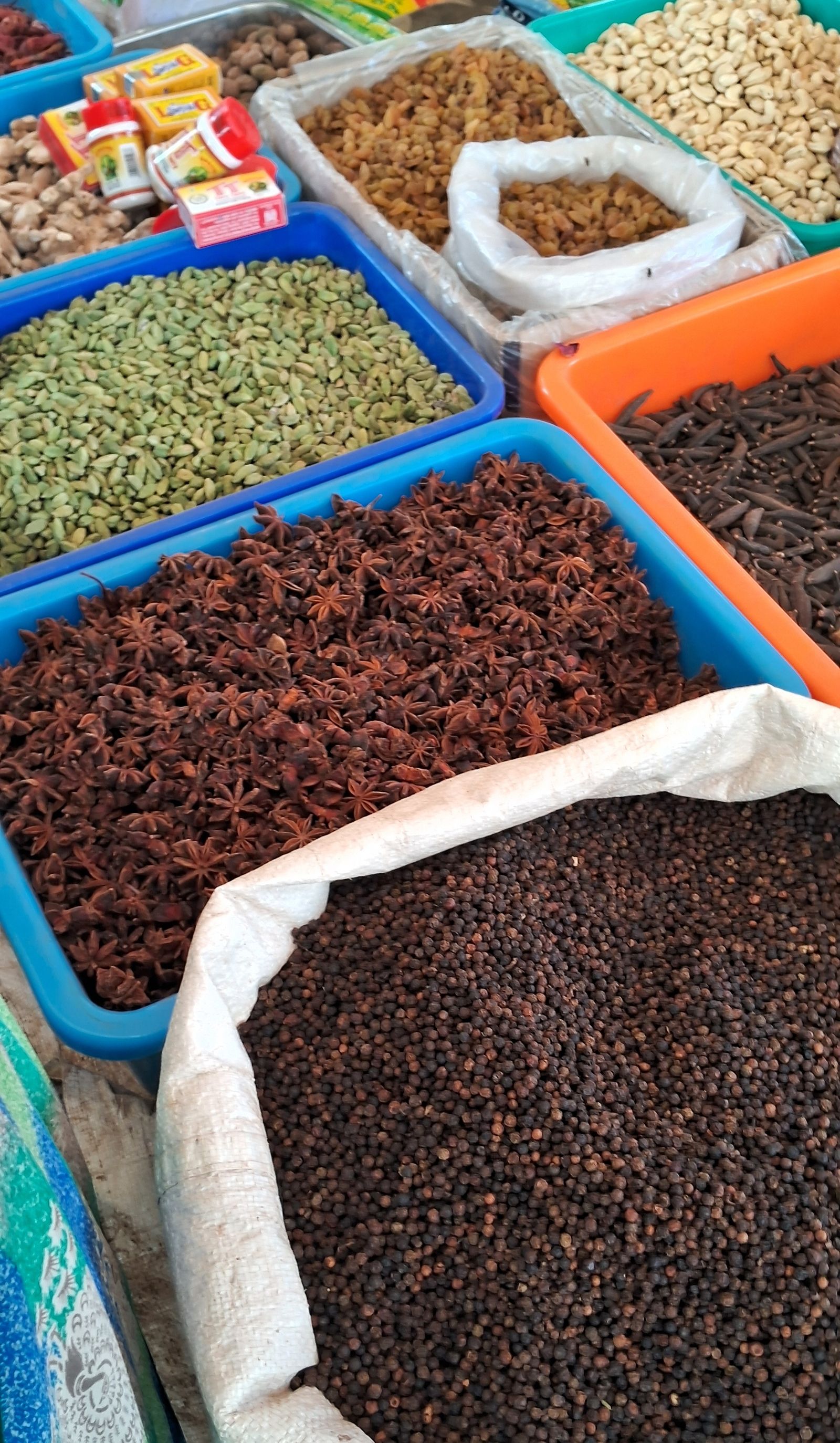
How lab testing, moisture thresholds, and ISO/FSSAI certifications separate serious spice suppliers from the rest — and what international importers actually check.