
Back to Spices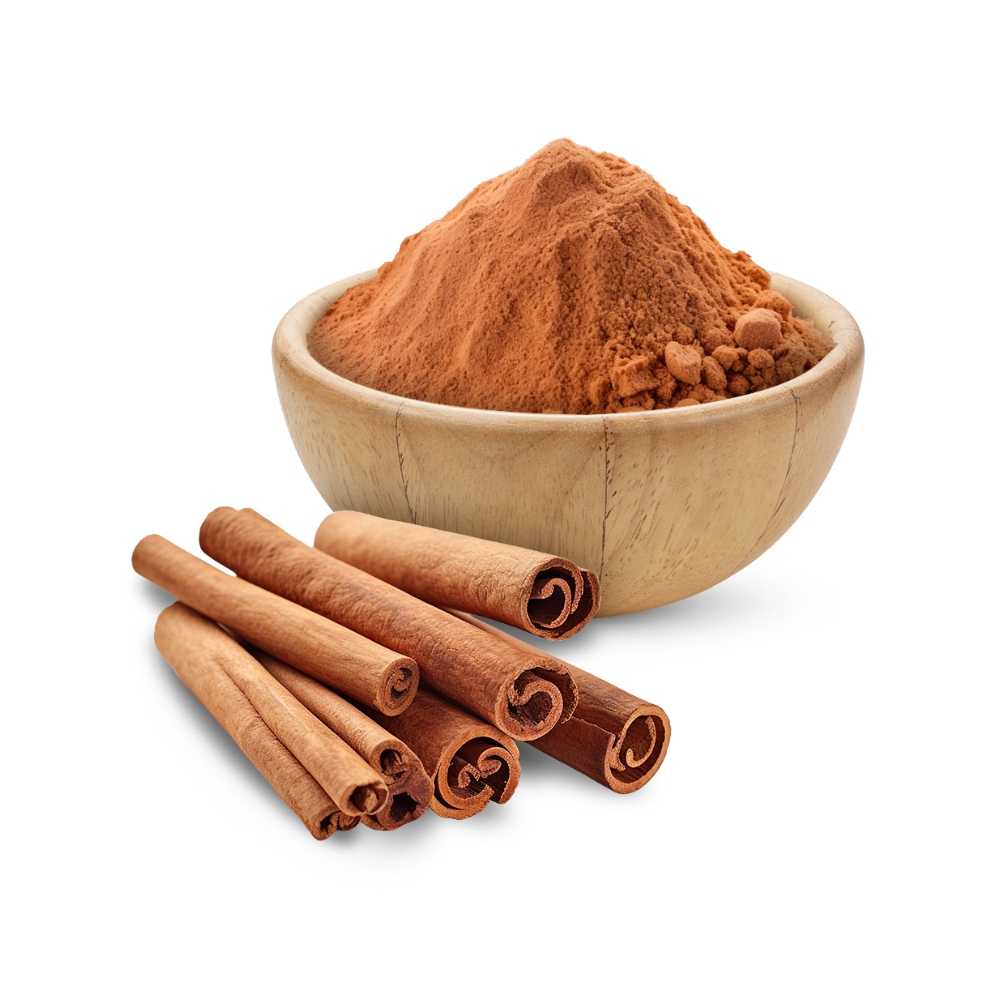
Spices
Cinnamon / Cinnamon Powder
Cinnamon is a popular spice obtained from the inner bark of trees belonging to the genus Cinnamomum. It is prized for its warm, sweet, and woody flavor and has been used for thousands of years in cooking, baking, and traditional medicine.
Types of Cinnamon
- Ceylon Cinnamon (True Cinnamon): Cinnamomum verum
- Light brown colour, thin, delicate bark
- Sweeter and more subtle flavor
- Cassia Cinnamon: Cinnamomum cassia (more common in supermarkets)
- Darker, thicker bark, stronger and more pungent flavor
Nutritional and Medicinal Properties
- Contains cinnamaldehyde, responsible for much of its flavor and medicinal effects
- Rich in antioxidants
- May help lower blood sugar and improve insulin sensitivity (still under study)
Forms of Cinnamon
- Cinnamon Sticks (Quills): Whole bark curls used in cooking and infusions
- Ground Cinnamon: Powdered form, convenient but loses aroma faster
- Cinnamon Oil: Extracted for flavouring and therapeutic uses
Fun Fact
Cinnamon was once so highly prized that it was considered more valuable than gold in some ancient cultures.
Specifications
| PRODUCT | CINNAMON QUILLS |
|---|---|
| ORIGIN | INDIA |
| MOISTURE | Max. 12.00% |
| TOTAL ASH | Max. 5.0% |
| ACID INSOLUBLE ASH | Max. 1.0% |
| VOLATILE OIL | Min. 1.0% |
Taste and Aroma
- Warm, sweet, woody, with slight citrus and clove undertones
- Highly aromatic, comforting scent
Common Uses
Widely used in desserts (cakes, cookies, pies), beverages (chai, hot chocolate), and Savory dishes (Middle Eastern and Indian curries)
Used in spice blends like pumpkin spice, garam masala, and Chinese five-spice
Medicinal
- Traditionally used to support digestion, blood sugar regulation, and respiratory health
- Known for anti-inflammatory and antimicrobial properties