
Back to Spices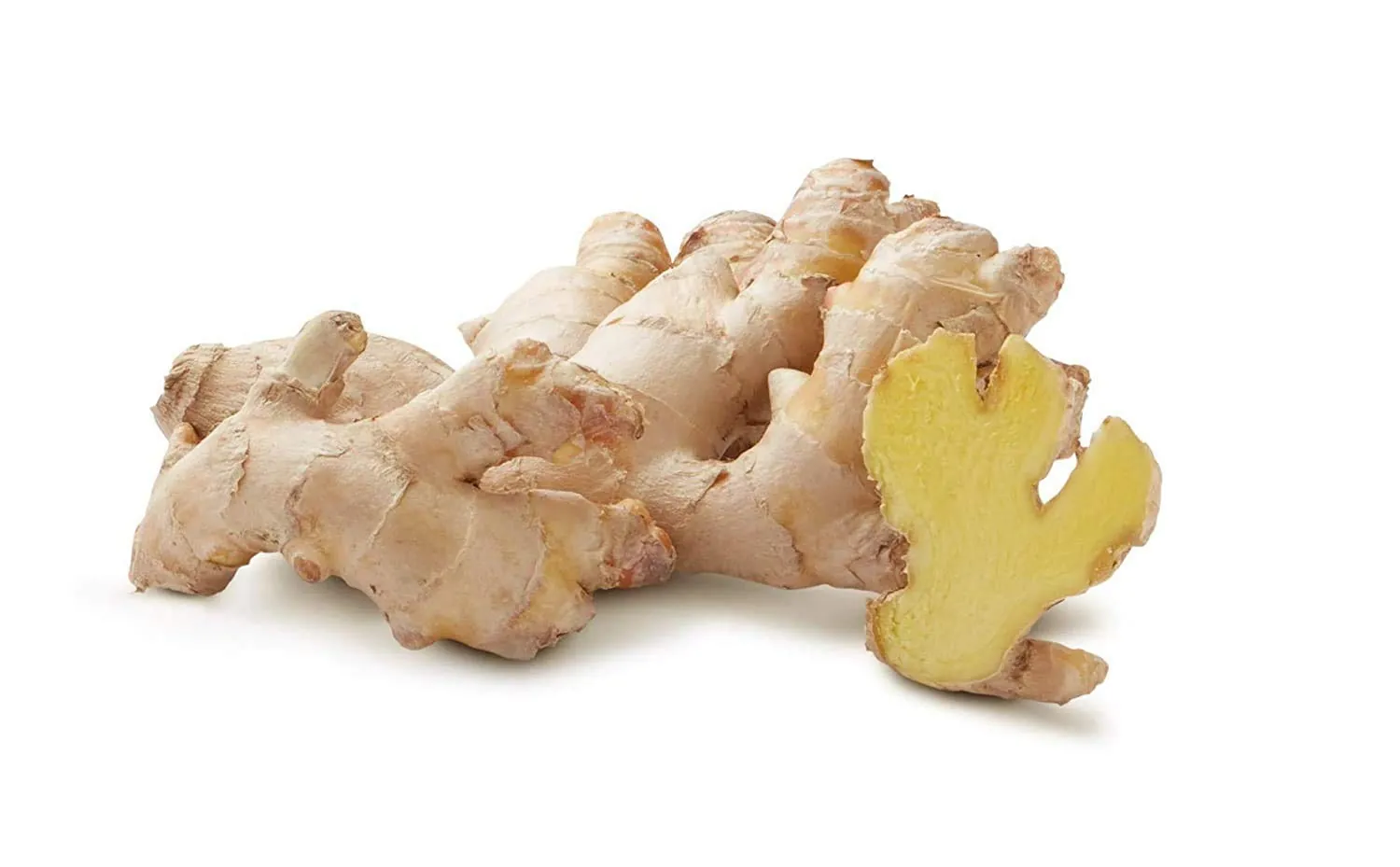
Spices
Ginger
Ginger (Zingiber officinale) is a flowering plant whose rhizome (underground stem) is widely used as a spice, flavouring agent, and medicinal root. It is native to South and Southeast Asia and has been cultivated for thousands of years for both culinary and therapeutic purposes.
Culinary
- Used fresh, dried, powdered, pickled, or as ginger paste
- Popular in curries, stir-fries, teas, soups, marinades, and baked goods (like gingerbread)
Forms of Ginger
- Fresh Ginger: Juicy, aromatic, and used in everyday cooking
- Dry Ginger (Sonth): Dried and ground, with a more concentrated and warming effect
- Pickled Ginger: Common in Asian cuisine, especially with sushi
- Candied Ginger: Ginger pieces cooked in sugar syrup and dri
Taste and Aroma
- Pungent, spicy, and slightly sweet
- Warm, peppery flavor with citrusy notes
- Aromatic and refreshing due to the presence of gingerols and shogaols
Nutritional and Medicinal Properties
- Active compounds: Gingerol, shogaol, and zingerone
- Known for anti-inflammatory, antioxidant, and digestive benefits
- May help reduce muscle pain, lower blood sugar, and ease menstrual discomfort
Medicinal
- Traditionally used to treat nausea, indigestion, colds, and inflammation
- Common remedy for motion sickness and morning sickness
- Used in herbal teas, ginger ale, and fermented drinks like ginger beer
Fun Fact
Ginger is not a root—it's a rhizome, meaning it's a modified stem that grows underground and stores nutrients.
Specifications
| PRODUCT | GINGER WHOLE |
|---|---|
| ORIGIN | INDIA |
| COLOUR | YELLOW-WHITE INSIDE |
| SMELL | INTENSE AND AROMATIC |
| TASTE | SOUR, SPICY |
| MOISTURE | Max. 12.00% |